Paperless office software that meets paper where it arrives
Going paperless is not one decision; it is a capture path for every way paper enters and leaves your organization. DocuPro covers each of them — scan, print, email, and the archive — and gives the resulting documents somewhere better to live than a folder.
Four ways paper shows up — and the DocuPro path for each
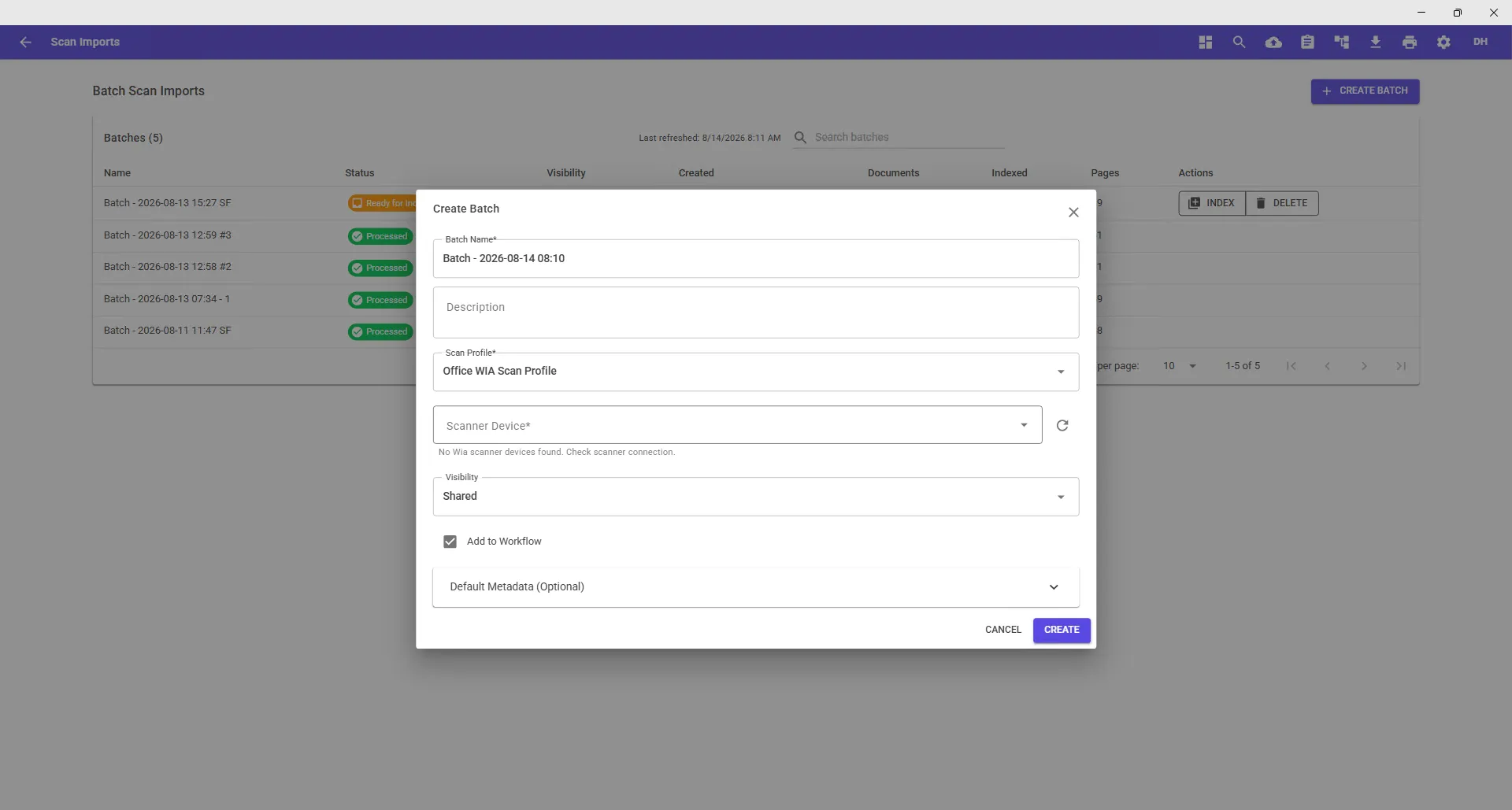
Scan a stack, get indexed documents
Patch-T separator sheets tell DocuPro where one document ends and the next begins. Scan the whole batch; DocuPro splits it, and batch indexing assigns document type and index values.
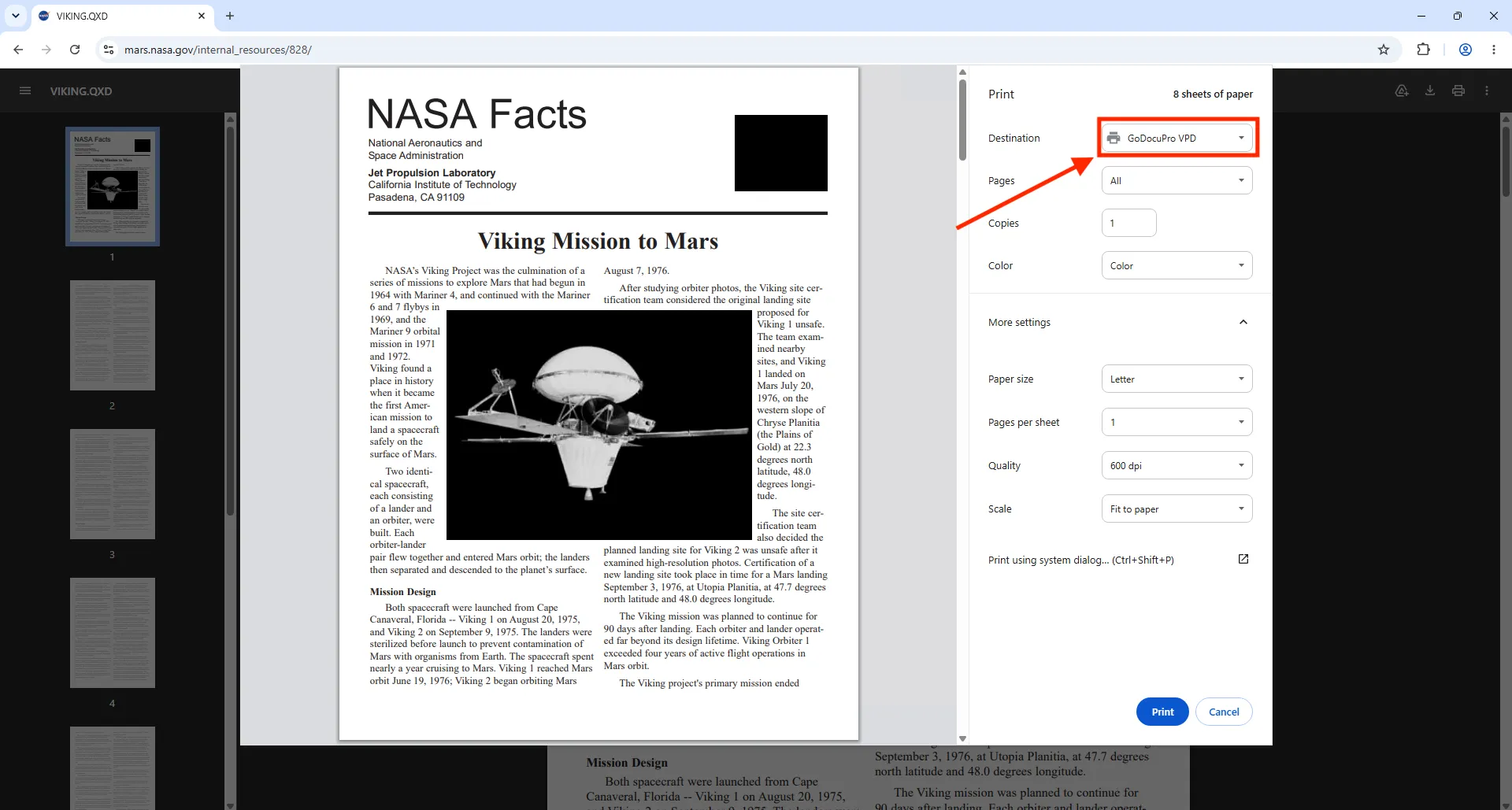
Print to DocuPro instead of to paper
GoDocuPro VPD installs as a Windows printer. The document that would have gone to the tray goes into DocuPro, indexed, with no paper created at all.
What paperless looks like after capture
Paperless office FAQ
What does “paperless office” actually require?
Three things: a way to capture every document that would have been paper (scan, print-to-file, email), a place to store it with searchable metadata and access control, and a way to move it through approvals without printing. DocuPro provides all three on one Windows platform.
How do we handle the paper we already have?
Scan it in batches with separator sheets, then load it with bulk import jobs. Jobs run in parallel against your hardware, map existing metadata onto DocuPro index fields, and retry failures — repositories with millions of documents are the normal case.
Do staff need to change how they work?
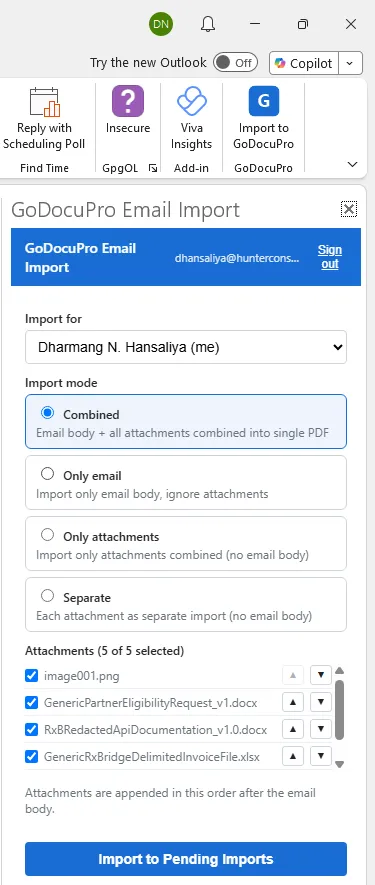
Mostly no. They print to a different printer (GoDocuPro VPD), click a button in Outlook, or drop separator sheets in the scanner. Documents land in DocuPro indexed, and workflows follow the stages the team already uses.
Can we sign documents without printing them?
Yes. Signature and stamp annotations are applied in the built-in viewer, and each signed version is retained alongside the original.
Is DocuPro a paperless system for small businesses or large ones?
Both. The configuration model is the same; what changes is the number of document types, users, and the size of the import. Bulk import jobs are built for repositories with millions of documents, and a small team can start with a handful of document types.